
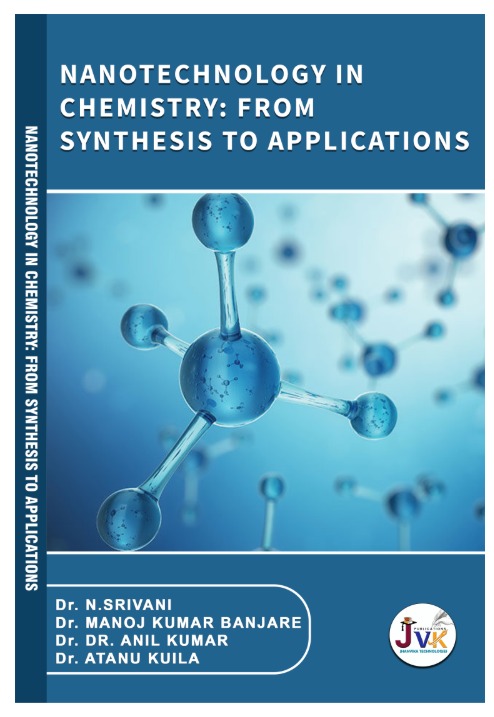
Nanotechnology in chemistry explores the design, synthesis, characterization, and application of materials at the nanoscale, where unique physical and chemical properties emerge due to size-dependent effects. Chemical synthesis methods such as sol–gel processing, chemical vapor deposition, self-assembly, and green synthesis enable precise control over nanoparticle composition, structure, and functionality. At this scale, materials often exhibit enhanced reactivity, catalytic efficiency, electrical conductivity, and optical behavior, making them valuable across a wide range of fields. Nanomaterials play a critical role in drug delivery, biosensing, environmental remediation, energy storage, and advanced coatings. Chemists integrate surface modification and functionalization techniques to tailor nanoparticles for targeted applications, improving performance and safety. As research advances, sustainable synthesis approaches and toxicity evaluation are increasingly emphasized to ensure responsible development. By bridging fundamental chemistry with cutting-edge technology, nanotechnology drives innovation in materials science, medicine, electronics, and environmental solutions, shaping the future of scientific and industrial applications
Related products
-
Organizing
Organic Chemistry and Synthesis
Original price was: ₹1,300.00.₹1,100.00Current price is: ₹1,100.00.


Reviews
There are no reviews yet.